Phenomenological Reduction: A Way To Transcend the World

In performing the Phenomenological Reduction, we do not deny the existence of the world and hour human cover but rather get to see them as what they are, as a persistent Heraclitean flux of appearances that contain within them being-sense, the sense of independent existence, which we simply have accepted and are captivated by them through this acceptedness. As Fink says in CM, “in actuality the world just is not, what alone is is only transcendental subjectivity and its constitutive life, the life of performing acts of meaning.” … More Phenomenological Reduction: A Way To Transcend the World

The Shadow of The Philosopher

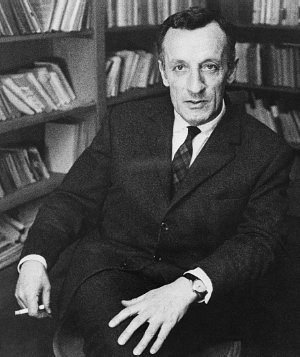
Maurice Merleau-Ponty was a French phenomenologist of the highest rank. Phenomenology as founded by Edmund Husserl and defined by him as “The return to things themselves” preserved its original strength and intention only in the philosophy of Merleau-Ponty, while others such as Martin Heidegger and Hannah Arendt, though offered important and enlightening phenomenological researches, eclipsed the … More The Shadow of The Philosopher

Transcendental Phenomenology: A Priori Science of Consciousness

Transcendental Phenomenology is a system of philosophy created by Edmund Husserl, the 20th century German philosopher. Phenomenology is the a priori science of experience: It studies experience without reference to assumptions posited by experience. Phenomenology considers experience in itself and without assuming anything about the reality or unreality of the contents of experience. The experience … More Transcendental Phenomenology: A Priori Science of Consciousness